Contents:
- Problem Statement
- Why Solve It
- Step 1: Choose Rental Arbitrage or Co-Hosting
- Step 2: Secure Landlord Permission for Arbitrage
- Step 3: Furnish and Style the Space Strategically
- Step 4: Set Up Dynamic Pricing and Booking Management
- Step 5: Build Co-Hosting Partnerships With Existing Owners
- Regional Difference
- Quick Answer Box
- Examples
- Troubleshooting
- FAQ
- Is Airbnb rental arbitrage legal in most cities?
- How much does it cost to start an Airbnb arbitrage business?
- Can co-hosting really generate significant income without owning property?
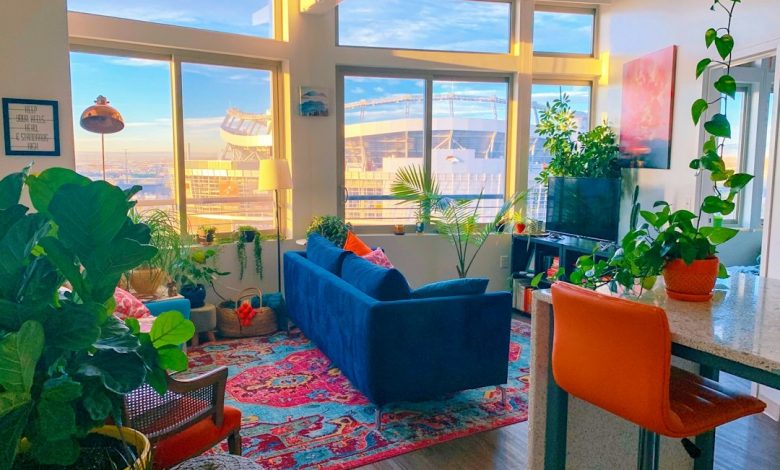
Picture a spare bedroom in someone else’s leased apartment, freshly styled with warm lighting and a well-placed welcome basket, generating genuine nightly income for a person who doesn’t own a single wall of that unit.
Problem Statement
Many aspiring hosts assume Airbnb income requires property ownership, when rental arbitrage and co-hosting models actually let entrepreneurs build genuine short-term rental businesses without ever purchasing real estate.
Why Solve It
Starting without property ownership dramatically reduces upfront capital requirements and risk, letting entrepreneurs test the short-term rental business model before committing to a major property purchase.
Step 1: Choose Rental Arbitrage or Co-Hosting
Rental arbitrage means leasing a property specifically to sublet on Airbnb, while co-hosting means managing someone else’s existing listing for a percentage of revenue without any lease obligation at all.
Step 2: Secure Landlord Permission for Arbitrage
If pursuing arbitrage, negotiate explicit permission for short-term subletting directly with landlords upfront, since many standard leases prohibit this without written authorization.
Step 3: Furnish and Style the Space Strategically
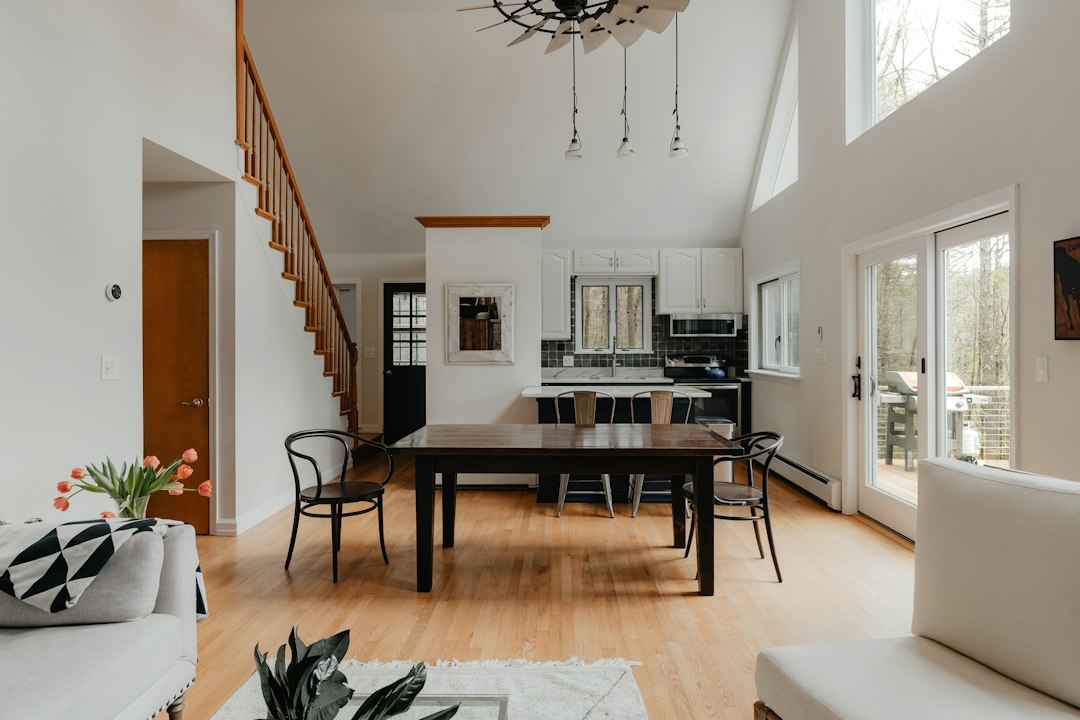
Invest in quality furniture, appealing photography, and thoughtful amenities, since these details directly drive booking rates and guest satisfaction scores more than location alone.
Step 4: Set Up Dynamic Pricing and Booking Management
Use pricing tools like PriceLabs to automatically adjust nightly rates based on demand, and consider property management software to handle guest communication and cleaning schedules efficiently.
Step 5: Build Co-Hosting Partnerships With Existing Owners
Reach out to property owners already listing on Airbnb but struggling with management, offering to handle guest communication and logistics for a percentage, typically 15% to 25%, of booking revenue.
Regional Difference
Short-term rental regulations vary dramatically by region; many West Coast cities impose strict permitting requirements, while some Southern markets remain considerably more permissive for arbitrage-based Airbnb businesses.
Quick Answer Box
Start with rental arbitrage or co-hosting, secure explicit permission where needed, furnish thoughtfully, and use dynamic pricing tools to maximize revenue without ever owning the underlying property.
Examples
An entrepreneur in Denver leased two one-bedroom apartments specifically for arbitrage, furnishing them for roughly $8,000 combined, and generated approximately $3,200 monthly in net profit after covering rent and operating expenses.
Troubleshooting
If bookings run consistently low, review your pricing against similar local listings and invest in updated photography, since these two factors most commonly explain underperforming Airbnb listings.
FAQ
Is Airbnb rental arbitrage legal in most cities?
Legality varies significantly by location; some cities explicitly permit it with proper permits, while others restrict or prohibit short-term subletting entirely, making local research essential.
How much does it cost to start an Airbnb arbitrage business?
Initial furnishing and setup typically costs $5,000 to $15,000 per unit, plus first and last month’s rent as security deposit before any bookings generate revenue.
Can co-hosting really generate significant income without owning property?
Yes, experienced co-hosts managing multiple properties can earn substantial income through percentage-based fees, though building sufficient client relationships takes time initially.